Styling Your Space With Antique Gold Mirrors

High-end interior design isn’t about chasing the latest showroom fad; it’s about sourcing pieces that possess a permanent architectural soul. Among the most versatile tools in a designer’s kit is the antique gold mirror.
These pieces function as room jewellery. Whether you are anchoring a grand foyer or adding historical weight to a glass-walled suite, gold mirrors provide a warmth and structural depth that modern alternatives simply cannot replicate.
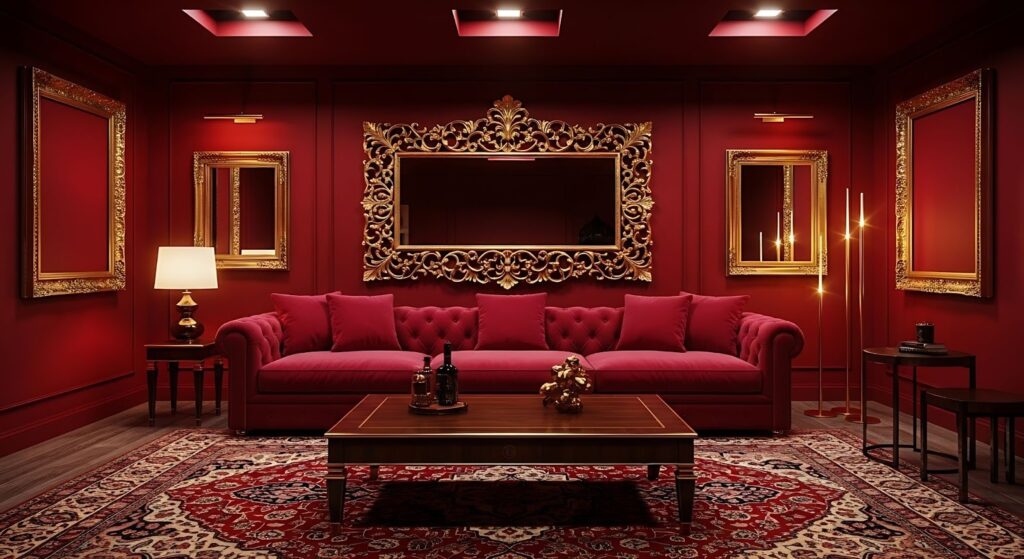
1. Scale and Command
In luxury real estate, a timid mirror is a missed opportunity. To capture the true essence of an antique mirror, you have to embrace grandeur.
- The Overmantel Statement: A large, ornate gold mirror placed above a marble fireplace draws the eye upward, emphasising ceiling height and intricate crown moulding.
- The Gallery Lean: For a master dressing room, leaning a massive mirror against the wall creates a relaxed, sophisticated, collected look. It suggests a history of travel and curated taste rather than a quick shopping trip.
Designer’s Note: Look for foxing, the subtle oxidation spots on the silvering. This authentic ageing is what gives a genuine antique mirror its character and value.
2. Manipulating Light and Depth
I prioritise antique mirrors for my clients because of how they manipulate a floor plan. In a room filled with rich velvets or dark wood panelling, a gold mirror acts as an additional window.
By placing a mirror opposite a natural light source or a crystal chandelier, you double the room’s visual volume. The gold frame catches the light, casting a soft, amber glow that warms skin tones and makes large halls feel more intimate.
3. Mixing Eras with Confidence
You don’t need a 17th-century French chateau to justify a gilded frame. Some of my most successful projects involve placing a heavily carved, Rococo-style antique mirror in a stark, minimalist penthouse.
- The Contrast Rule: The juxtaposition of weathered gold leaf against a matte, modern backdrop creates a visual tension that defines high-level design.
- Curated Walls: Integrate smaller antique mirrors into a wall of contemporary art. The variation in texture breaks up the flatness of canvas and paper.
If you found these styling tips helpful, share this guide with your design circle.
4. Selecting the Right Tone
Gold is a broad spectrum. When sourcing gold mirrors, match the patina to the existing metalwork in your home:
| Gold Type | Best Suited For |
| Dutch Gold Leaf | Warm, traditional spaces with high reflectivity. |
| Antique Gilt | Moody libraries or rooms with old world heritage. |
| Champagne Gold | Contemporary suites with silver or nickel accents. |
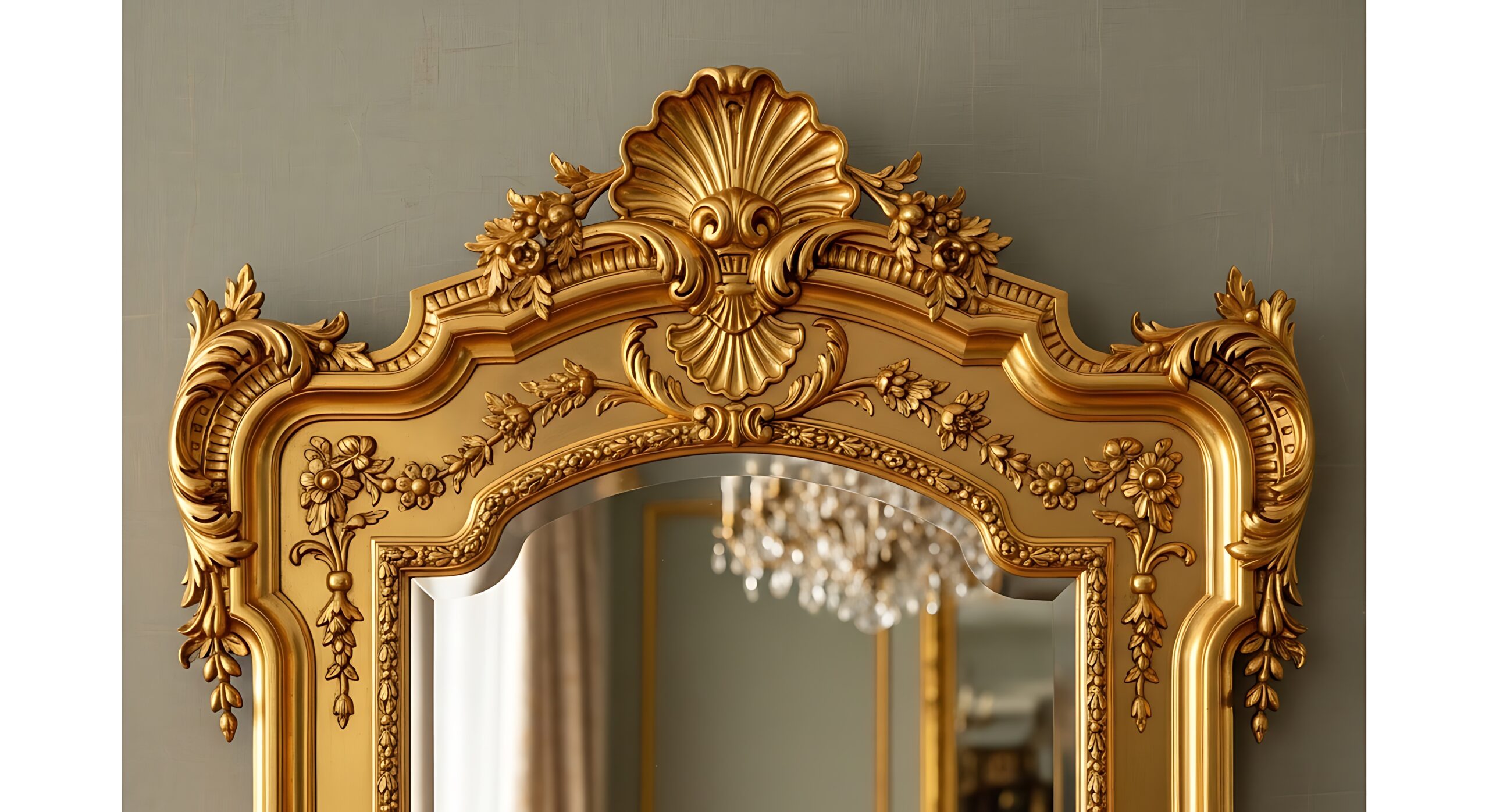
The Golden Touch
Your home is a reflection of your achievements. An antique mirror is an investment in a property’s soul, bridging the gap between historical craftsmanship and modern living. It ensures a space feels curated rather than just furnished.
If you are ready to move your interior from finished to extraordinary, the transformation starts with the right reflection.


